Why Impulse Control is My #1 High Priority Focus for Puppies
When owners ask me what the single most critical skill to teach a young puppy is, my answer is always the same: Self-Control (Impulse Control). Before fancy tricks or strict sit-stays, building an emotional brake pedal in your puppy's brain sets the stage for everything else. A puppy who learns impulse control early develops emotional maturity, reduced frustration, better focus around distractions, and naturally refrains from snatching food, bolting out doors, or frantically jumping on people.
1. The Open Hand Zen Game (Food Impulse Control)
Teaching your puppy that backing away from temptation is what unlocks the reward is the core principle of self-control:
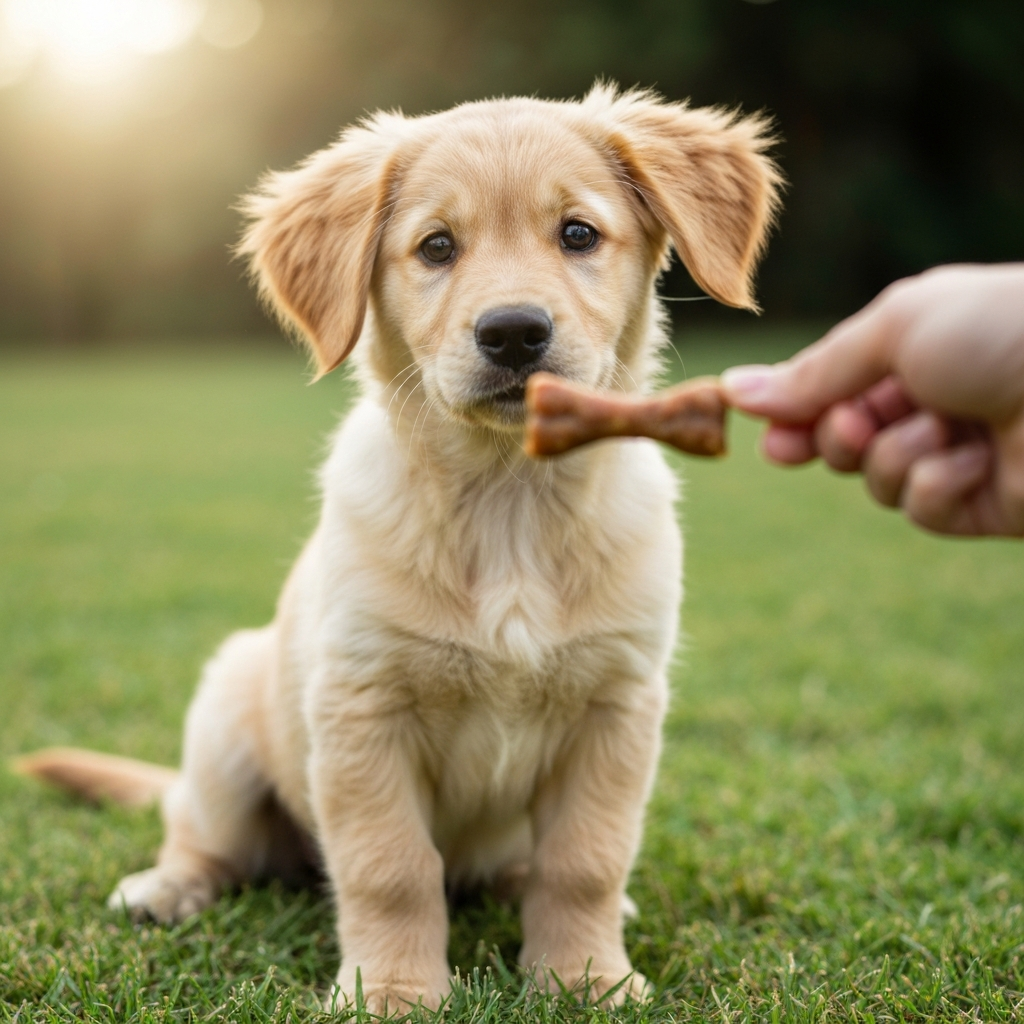
- Present the Treat: Place a tasty treat on your open palm at your puppy's eye level.
- Close on Impact: If your puppy lunges, licks, or tries to snatch it, gently close your hand into a loose fist. Do not jerk your hand away or say "No!"—simply let your closed fist become a wall.
- Mark the Pause: The moment your puppy backs off, relaxes their posture, or looks up at your eyes, mark "YES!" or click, and feed them a treat from your other hand (or open your palm to release it).
- Progress to the Floor: Once they succeed on your hand, place a treat on the floor under your hand, gently covering it if they dive for it, and reward them when they choose to check in with you instead.
2. Training Impulse Control with Toys (High-Arousal Self-Control)
While food is great, toys generate high excitement and arousal! Training impulse control during toy play is where real-world magic happens, teaching your puppy how to switch their brain from high excitement back to calm focus in seconds:
- The Tug & Freeze Game: Play a fun game of tug with a tug toy or fleece rope. Suddenly freeze completely still and bring the toy close to your hip. Stop all movement and sound. As soon as your puppy lets go or steps back, mark "YES!" and immediately restart the fun game of tug as their reward!
- The Wait-for-Release Throw: Hold your puppy's favorite ball or toy. Ask for a calm sit or simply wait until they look at your eyes rather than staring obsessively at the toy. Say your release cue (e.g. "OK!" or "FETCH!") and toss the toy. They learn that eye contact and composure trigger the fun toss!
- Flirt Pole & High-Value Toys: Drag a fleece toy along the floor. Pause it briefly and ask for a simple pause or eye check before giving the "GET IT!" release cue. This prevents frantic over-arousal and gives them a healthy outlet for prey drive with built-in boundaries.
3. Daily Life Impulse Control Rules
Self-control isn't just for formal training sessions—it's a way of life that creates a calm, polite dog:
- Food Bowl Wait: Ask your puppy to sit calmly before lowering their food bowl. If they pop up, lift the bowl back up slightly. Only place it down and say "OK" when all four paws stay grounded.
- Doorway Thresholds: Never let your puppy charge through open front or garden doors. Practice opening the door an inch; if they push forward, close it gently. Release them with "OK" when they wait politely.
- Greeting People: Require a calm sit or four paws on the floor before anyone gives fuss or affection. Attention is the ultimate reward!
Are you looking for puppy training In Solihull?
If so, book a free call and lets chat.
Book a free call