Understanding Canine Body Language: The Ladder of Aggression Explained
Why Learning Canine Body Language is Every Dog Owner's Superpower
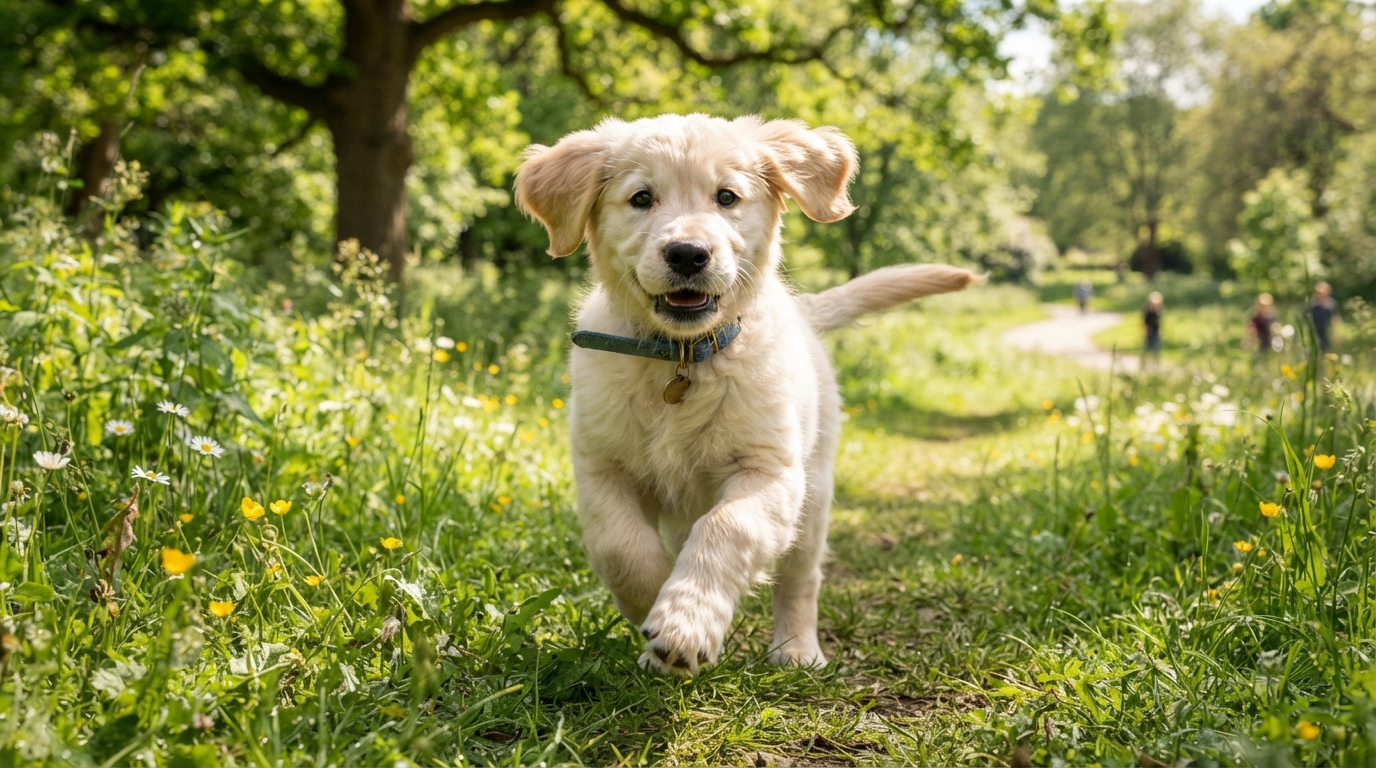
Dogs are constantly talking to us! While humans communicate primarily through spoken words, dogs use a rich, intricate dialect of silent body language—from ear positions and tail wags to subtle eye blinks, facial tension, weight shifts, and breath patterns. Learning to read your puppy or dog's subtle signals allows you to understand how they truly feel, advocate for their comfort, build deep mutual trust, and prevent behavioral outbursts long before escalations occur.
Head-to-Tail Guide: Reading Every Cue
To accurately assess a dog's emotional state, you must evaluate their entire body as a cohesive picture rather than focusing on a single isolated feature like a tail or ears.
1. Eyes & Brow
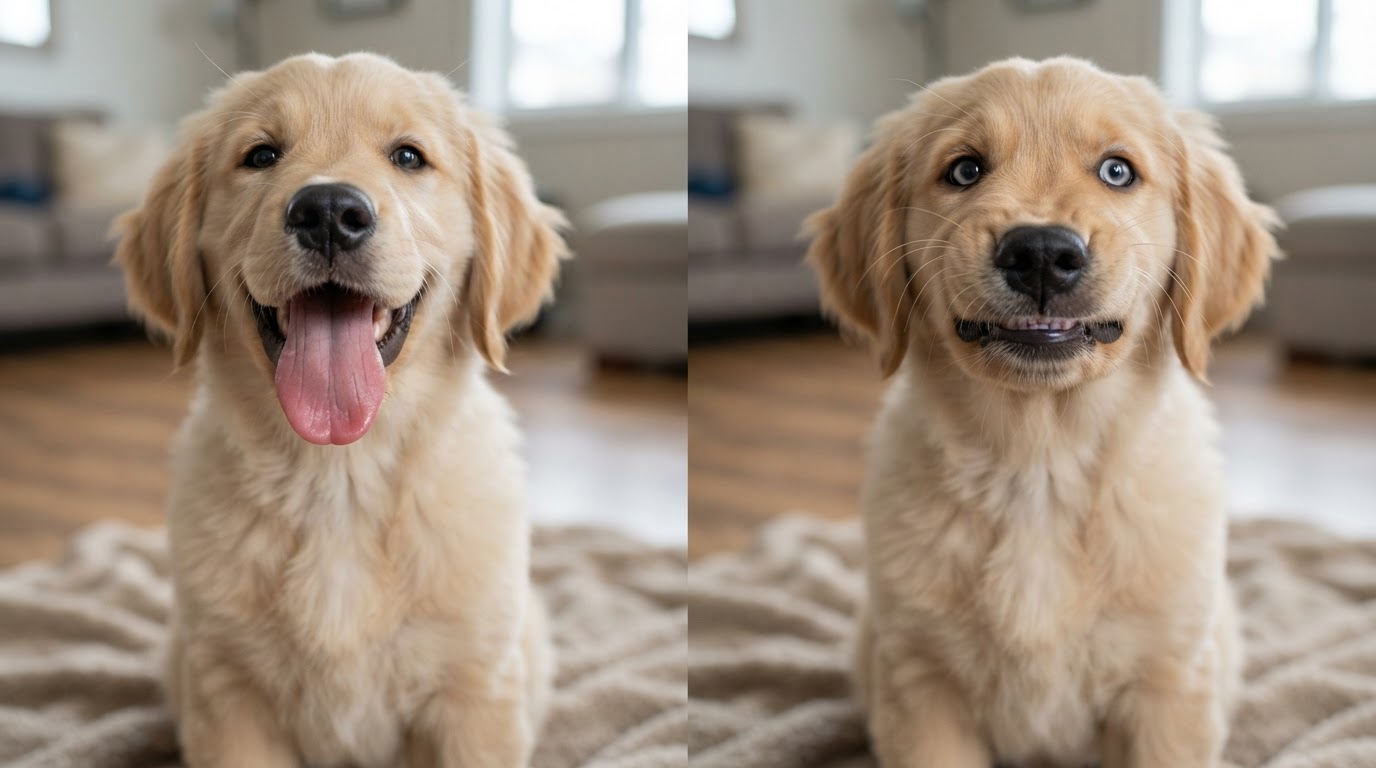
Soft Eyes: Relaxed almond shape, slow blinking, loose facial muscles = calm or social.
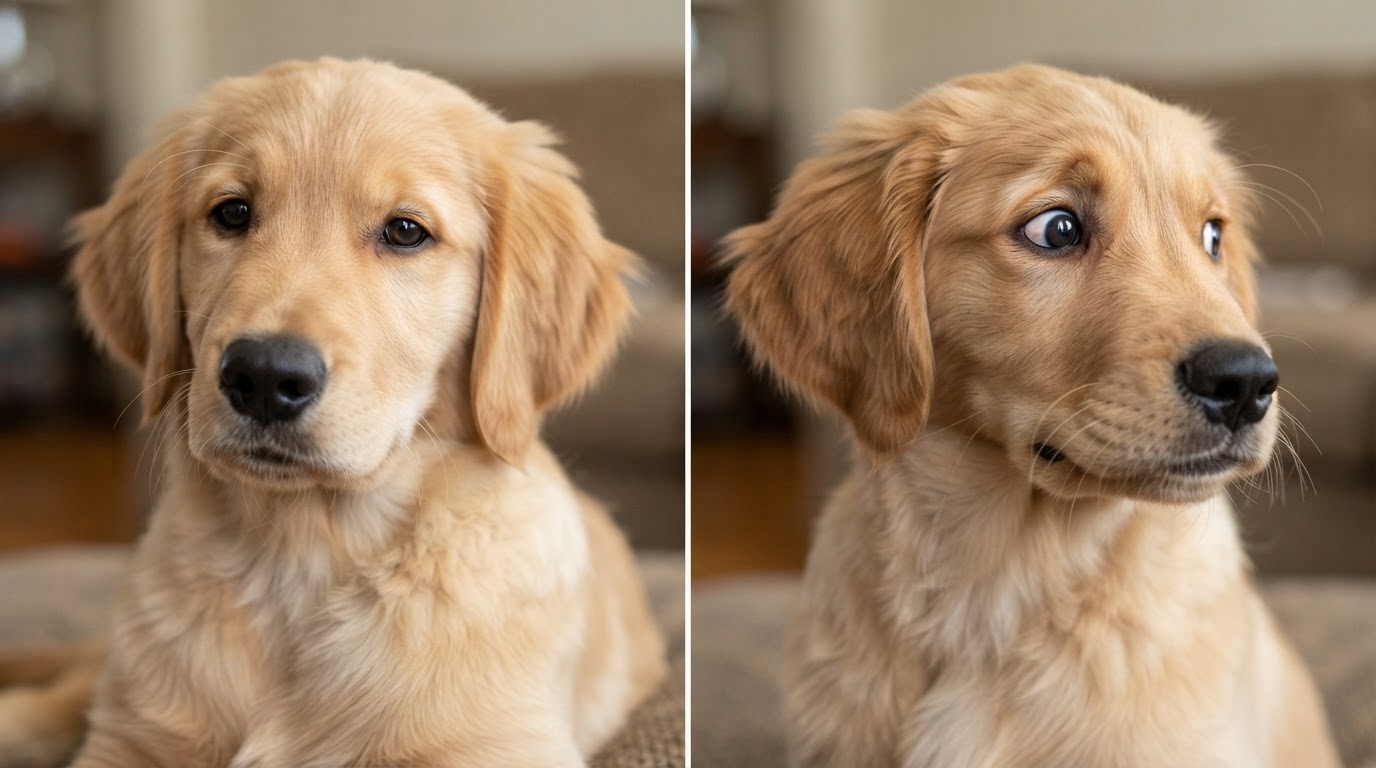
Hard Stare / Whale Eye: Unblinking, wide open eyes showing white crescents (sclera), tense brow = high anxiety, fear, or impending defensive action.
2. Ears & Muzzle
Neutral / Floppy: Resting in natural breed position = comfortable.
Pinned Back or Pricked Forward: Ears flattened tightly back against head = anxiety/appeasement. Ears held stiffly erect forward = intense focus or vigilance.
3. Mouth & Lips
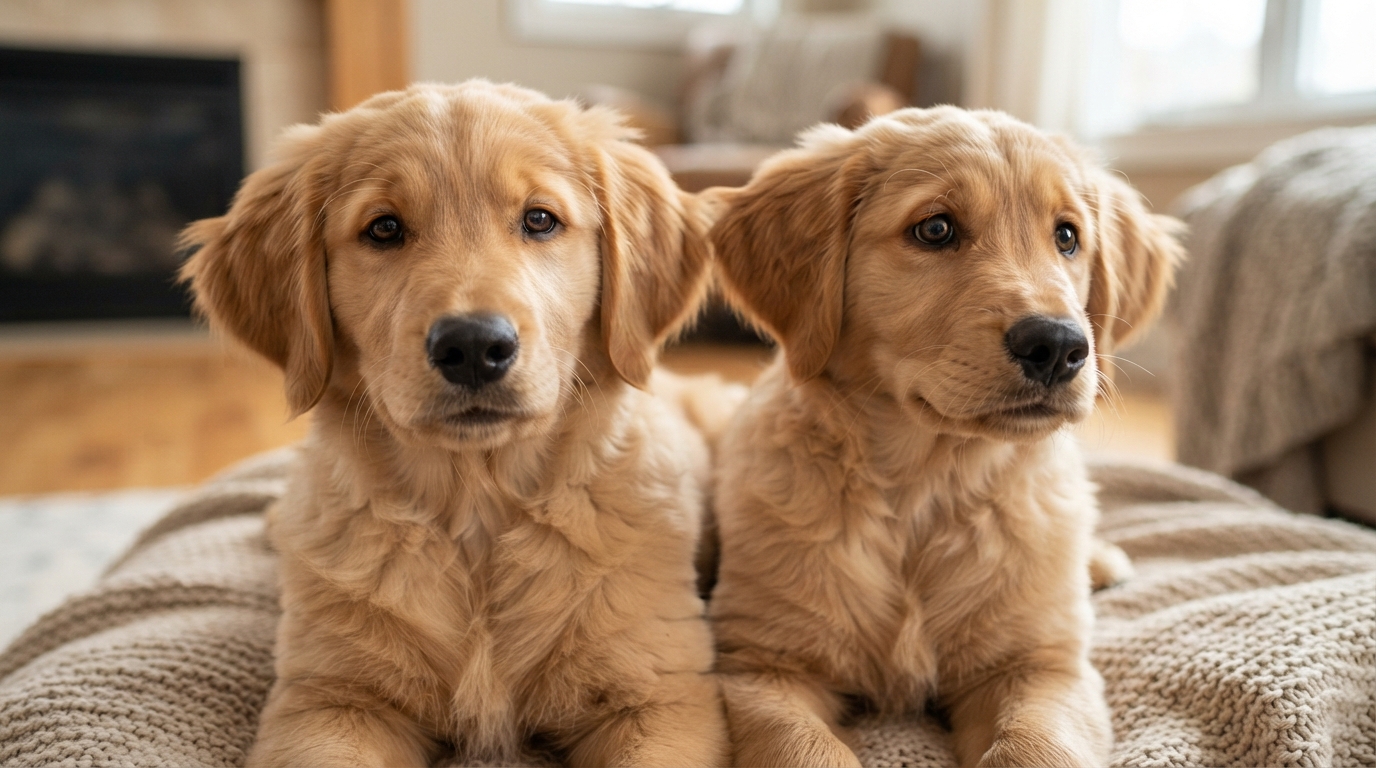
Loose Tongue & Smile: Soft open mouth, long tongue lolling out = relaxed.
Tense Commissures / Lip Retraction: Tight mouth corners pulled back into a thin line, nose wrinkling, or showing front teeth = elevated stress or warning.
4. Body Posture & Weight
Loose & C-Shaped: Curving body, loose play bows, weight centered = playful.
Stiff & Leaning: Weight shifted back (fear/retreat) or pitched forward on toes (confrontational/alert). Raising hackles (piloerection) indicates high arousal.

The Subtle Early Signs of Stress & Discomfort
Before a dog ever growls, snarls, or snaps, they give dozens of quiet "displacement" or discomfort signals hoping we will notice and relieve the pressure. When owners miss these early cues, dogs feel unheard and are forced to use louder communication.
- Yawning when not tired: A sudden yawn in a new environment, during handling, or when someone hugs them is a classic stress displacement signal.
- Lip Licking & Tongue Clicks: Quick, subtle flicks of the tongue across the nose or lips when no food is present.
- Whale Eye: Showing the white crescents of the eye (sclera) as the dog turns their head away while keeping eyes fixed on a trigger.
- Averting Gaze / Turning Head Away: Deliberately looking away, turning their body, or sniffing the ground intently to defuse tension or signal "I need space".
- Panting & Tense Facial Muscles: Rapid, shallow panting when not warm or exercised, accompanied by tight commissures (corners of the mouth) or furrowed brow.
- Freezing / Stiffening: Becoming completely motionless, rigid, or holding breath—a critical sign that emotional pressure is at maximum capacity.
- Shake-Offs: Shaking their body as if wet right after a stressful encounter or cuddle to discharge nervous energy.
Kendall's Ladder of Aggression: How Stress Escalates
Created by renowned veterinary behaviorist Dr. Shepherd / Kendall, the Ladder of Aggression visualizes how a dog escalates their communication when early low-rung signals are ignored, misinterpreted, or punished:
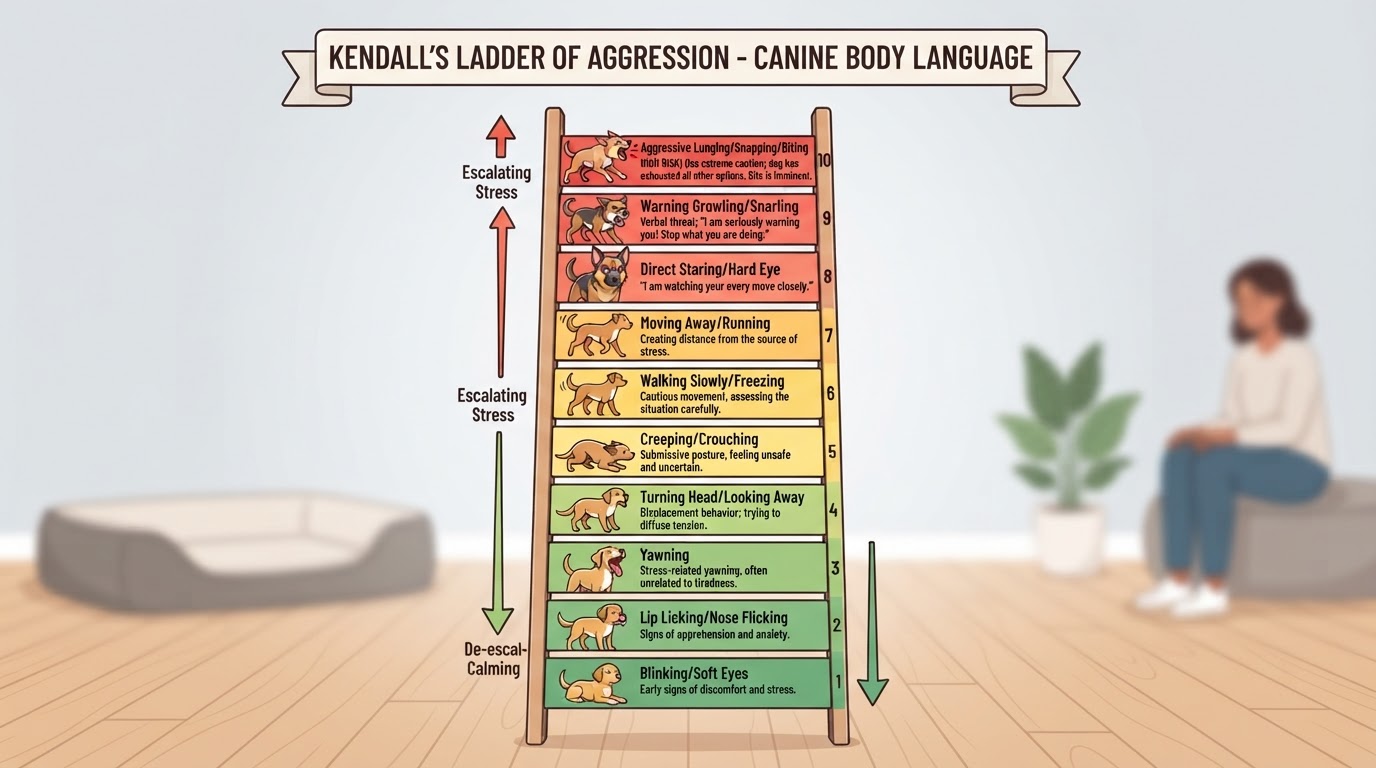
Figure 1. Visual representation of Kendall's Ladder of Aggression showing the progression from appeasement signals to defensive action.
- Bottom Rung (Green / Subtle Cues): Yawning, lip licking, blinking, turning head or body away.
Dog's Message: "I'm feeling a bit uncomfortable or uncertain. Please slow down, give me space, or pause." - Lower-Middle Rung (Yellow / Avoidance Cues): Walking away, crouching, tail tucked, appeasement roll onto back with tense belly, ears pinned back flat, paw lifting.
Dog's Message: "I'm overwhelmed and actively trying to retreat or diffuse this situation!" - Upper-Middle Rung (Orange / Warning Cues): Freezing, staring intently, hard eye gaze, growling, muzzle punch.
Dog's Message: "Stop right now! I am at my emotional breaking point and my previous signals were ignored!" - Top Rung (Red / Defensive Action): Snarling, showing teeth, snapping, biting.
Dog's Message: "I tried every silent signal and warning, but was left with no choice but to defend myself!"
Crucial Warning: Never Punish a Growl!
A growl is a gift. It is your dog's polite, final verbal warning saying "I am terrified or uncomfortable." If you scold, punish, or pop the lead when a dog growls, you do not fix the underlying fear—you simply remove the alarm system! A dog whose growl is punished learns that warning signals don't work, causing them to skip the warning rungs on the ladder and bite without warning next time.
Always listen to the growl, increase distance from the trigger, reduce pressure, and address the root emotion with positive, force-free reward training.
Tail Wags: Not All Wags Mean Happy!
One of the biggest myths in dog training is that a wagging tail always equals a friendly dog. In reality, a tail wag simply indicates high emotional arousal or energy—it can mean excitement, but it can also mean extreme anxiety, frustration, or territorial arousal:
- Loose, Low, Helicopter Wag: Whole body wiggling, loose hip movement, soft eyes = relaxed, genuine happy greeting.
- High, Stiff, Flagpole Wag: Held rigid straight up in the air, vibrating or twitching rapidly like a flag = high arousal, alertness, potential tension or territorial drive.
- Tucked Tail Rapid Tip Wag: Held low between legs with small quick movements = fear, uncertainty, or appeasement.
Practicing the 3-Second Consent Test
Not sure if your puppy or dog actually wants to be stroked by a guest, child, or stranger? Use the 3-Second Consent Test:
- Stroke the dog gently on their side or chest for exactly 3 seconds.
- Pause, take your hands away, and step back slightly.
- Observe their reaction: If they lean in, nudge your hand, or step closer, they are giving consent! If they look away, lick their lips, shake off, or stay still, they've had enough—respect their space!
Advocating for Your Dog in Public
When you master body language, your most important job is becoming your dog's advocate. If a stranger or child approaches to stroke your puppy and you notice your puppy turn their head, lick their lips, or freeze, step in gently: "We're currently training and need a little space right now, thank you!" Your dog will trust you implicitly knowing you protect them from uncomfortable situations.
Are you looking for puppy training In Solihull?
If so, book a free call and lets chat.
Book a free call