
Why Is My Puppy So Mouthy? Understanding the Biting & Teething Phase
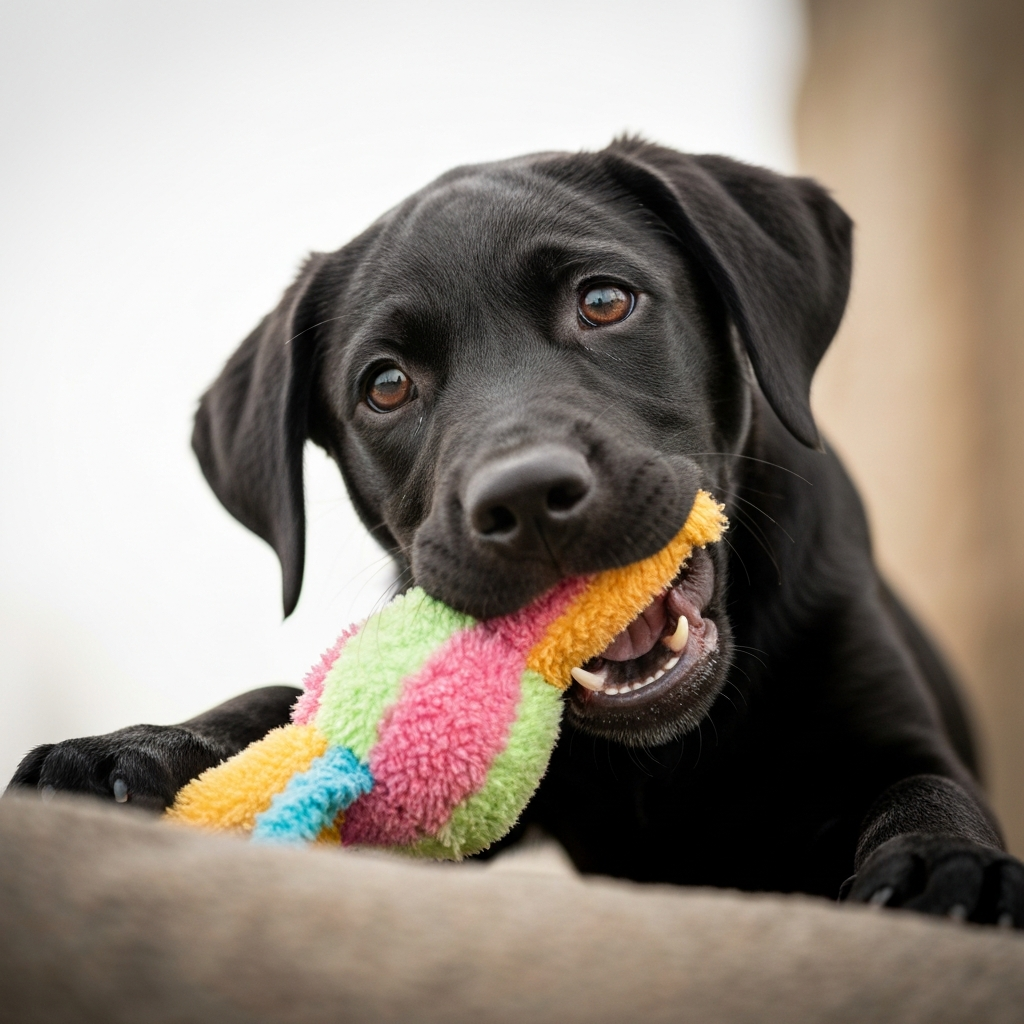
If you have a young puppy at home, your arms probably look like you've wrestled a wild rosebush! Those tiny needle-sharp baby teeth seem drawn to ankles, trousers, hands, and sofa cushions with relentless precision.
First, reassure yourself: puppy biting is 100% normal. Puppies do not have hands—their mouth is their primary tool for exploring textures, communicating desires, and playing.
Why Do Puppies Bite So Much?
- Teething & Gum Pressure: Between 12 and 20 weeks, 28 needle baby teeth fall out and 42 adult teeth push through sore, inflamed gums.
- Overtiredness: 80% of extreme biting meltdowns in the evening are caused by an overtired brain that needs an enforced nap!
- Attention Seeking & Play Initiation: Biting gets an instant, noisy human reaction (shouting "Ouch!"), which puppies interpret as fun play!
- Exploring Their World: Mouths test what is soft, hard, moving, or edible.
Praise Good Chewing & Manage Children
Praise Appropriate Chewing: Always remember to praise your puppy when they chew appropriate things like their toys or natural chews. Chewing good items is often something owners neglect to notice, only giving puppies attention when they are doing something they shouldn't!
Managing Biting Around Children: Kids can often become the prime target for puppy biting due to their quick movements and high pitched voices. Implement heavy management: maintain a hands-off relationship in the first few months, teach calm interactions, and get the children involved in structured, calm training rather than high-arousal rough play.
Teeth Development Timeline: Month by Month
- 8 Weeks: Full set of 28 razor-sharp baby teeth in place.
- 12 Weeks (3 Months): Incisors loosen; adult teeth begin pushing through. Biting increases.
- 16 Weeks (4 Months): Peak Teething Landshark Phase! Adult canines break through sore gums.
- 20-24 Weeks (5-6 Months): Most adult teeth are in place; biting drops significantly.
Leanne's Secret Weapons for Stopping Puppy Biting
1. The Natural Chew Basket
Provide a dedicated basket filled with long-lasting natural chews—such as split antlers, yak bars, coffee wood, and cow hooves. Whenever teeth touch your hands or clothes, redirect instantly to the chew basket!
2. The Play & Self-Regulation Game
Play rough tug for 10 seconds, then freeze completely and say "No biting" in a calm voice. Step away for 30 seconds if teeth touch skin. Wait for calm, then restart the game! This teaches your puppy how to switch their excitement off instantly.
3. Choose Your Clothes Wisely!
During the biting phase, avoid wearing loose long cardigans, dangling hoodie strings, or fluffy slippers! Loose fabrics mimic prey movement and invite puppies to grab and hold on.
The Bigger Picture
For my full strategy on the biting phase, check out the Ultimate Puppy Biting Guide.
Are you looking for puppy training In Solihull?
If so, book a free call and lets chat.
Book a free call